
Akarsu Parquetry

Evaluated to order

Bespoke marquetry parquet manufacturing

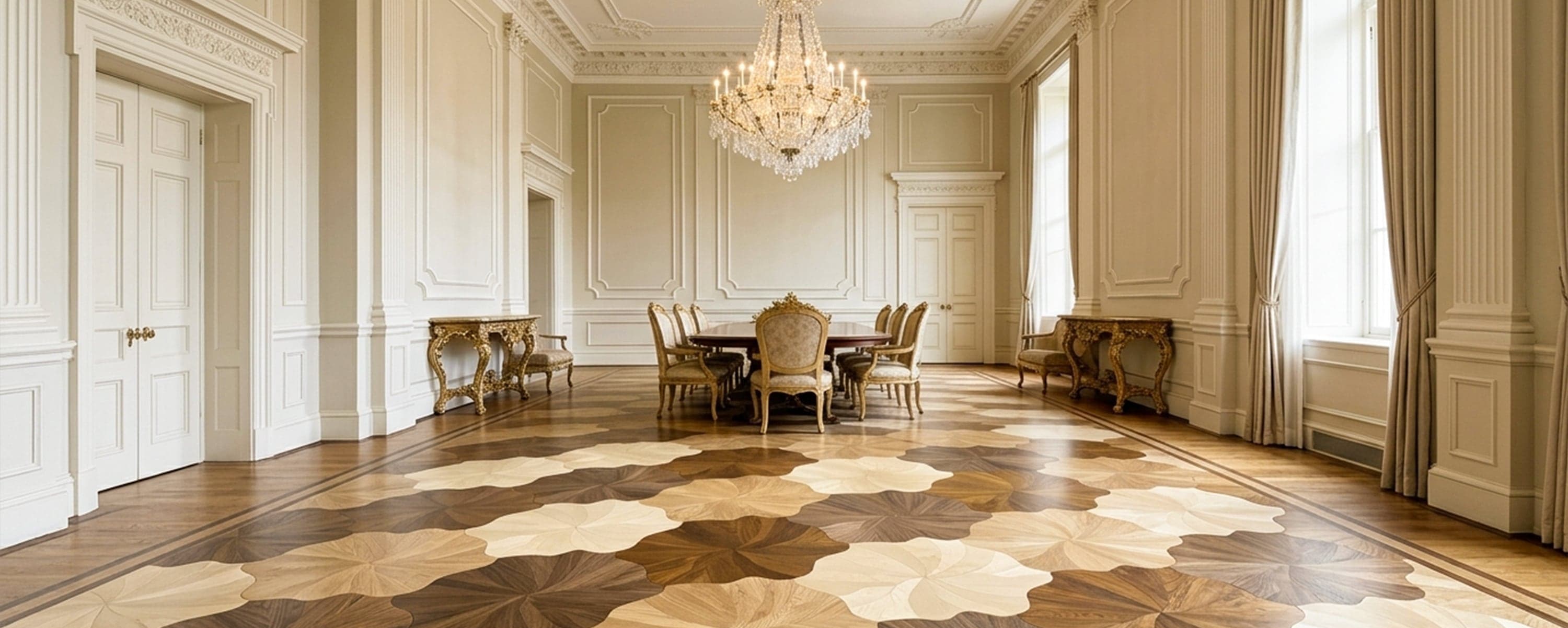
Akarsu evaluates dimensions, patterns and wood combinations beyond the collection for architects, designers, distributors and project buyers at its Istanbul workshop. Medallions, borders and monogram inlays can be produced for a project.

What can be produced within bespoke marquetry parquet?

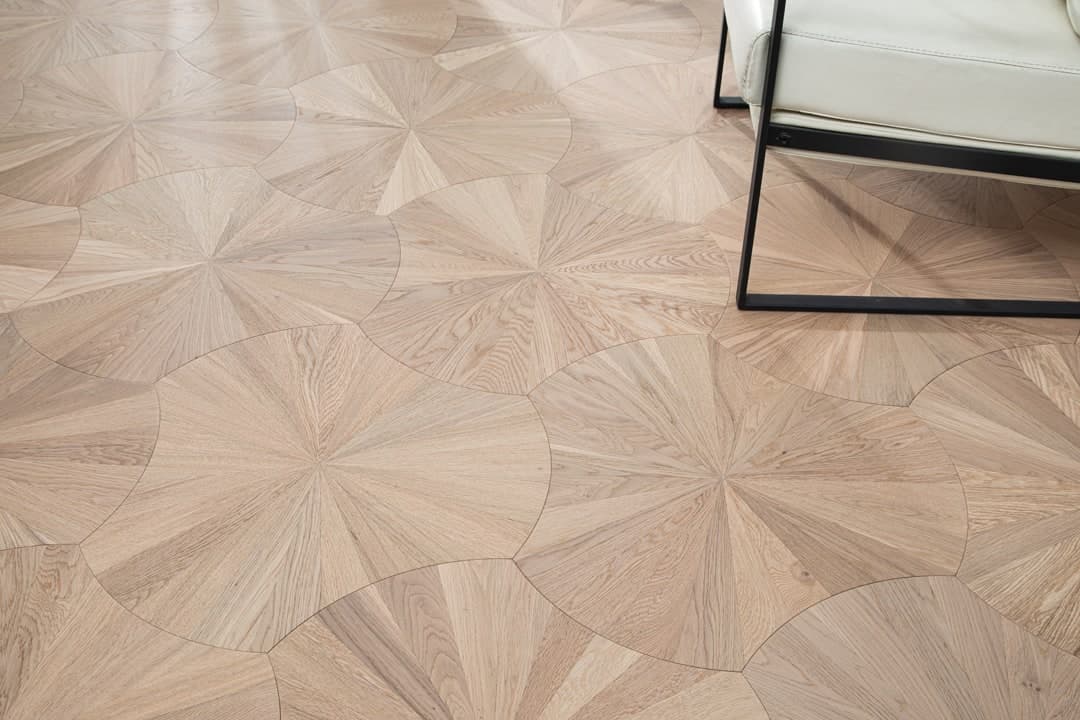
Bespoke marquetry parquet means that dimensions, patterns and wood combinations outside the collection are evaluated and produced to order. At its Istanbul workshop Akarsu produces three of these on a project basis: a circular or oval medallion at the centre of a floor, a border running along the walls, and a monogram or logo inlay. None exists as a ready collection item; size and design are settled during quotation. Every request is assessed individually for pattern complexity, panel dimensions and wood suitability.

Design starting point

A bespoke project does not have to begin with a blank page

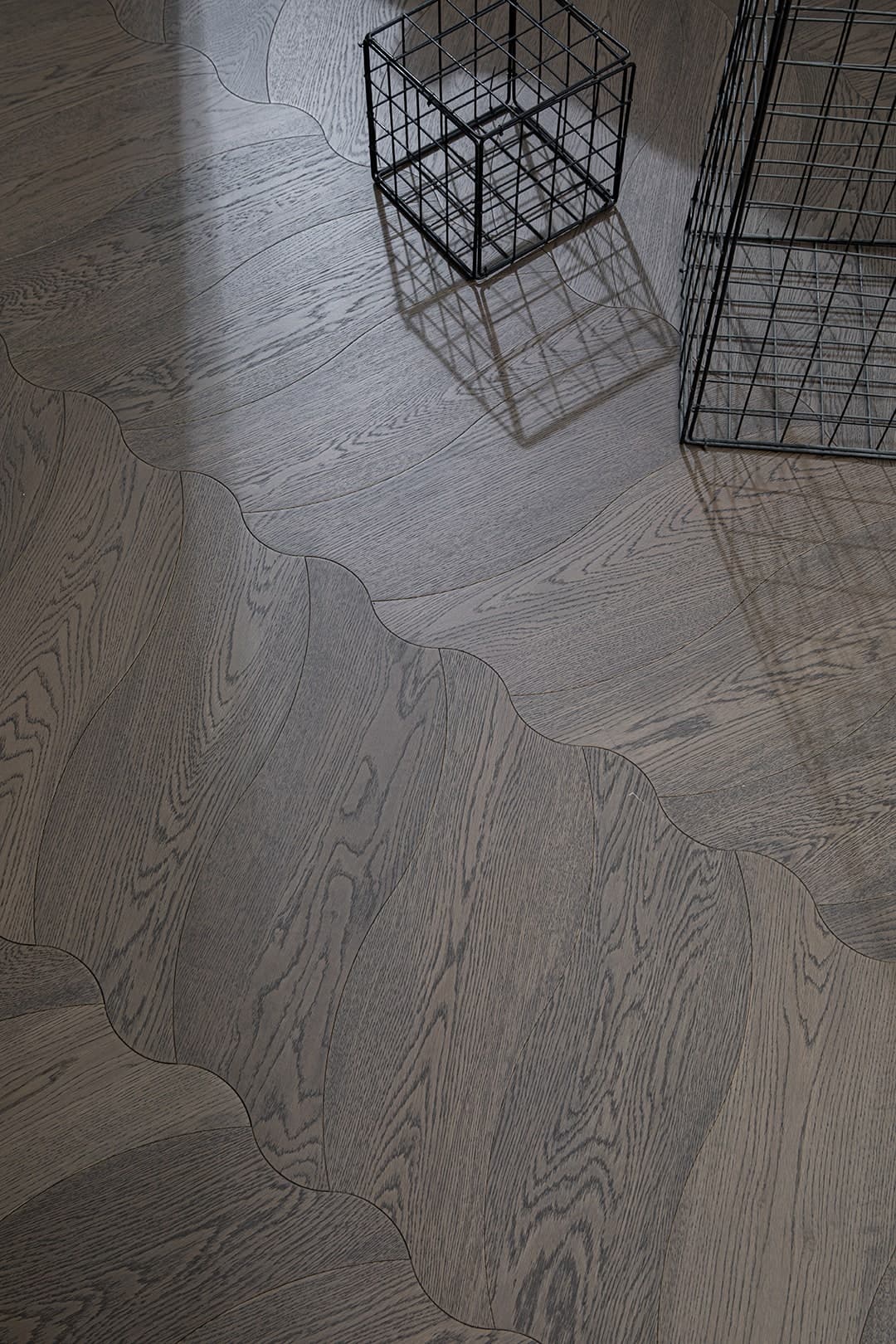
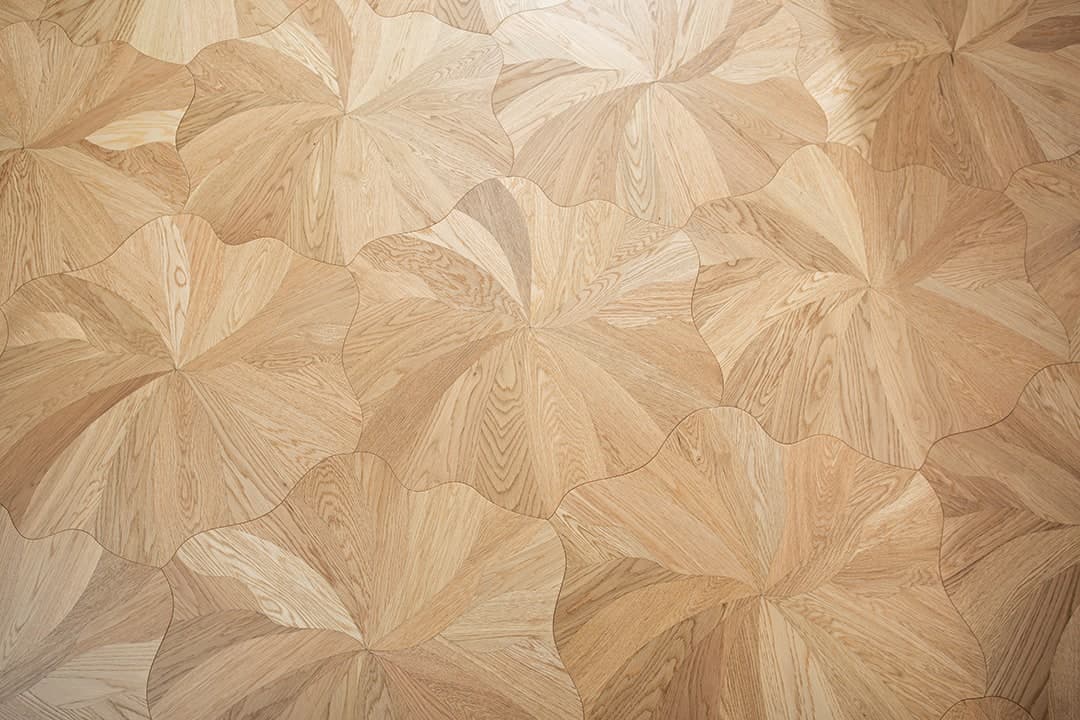
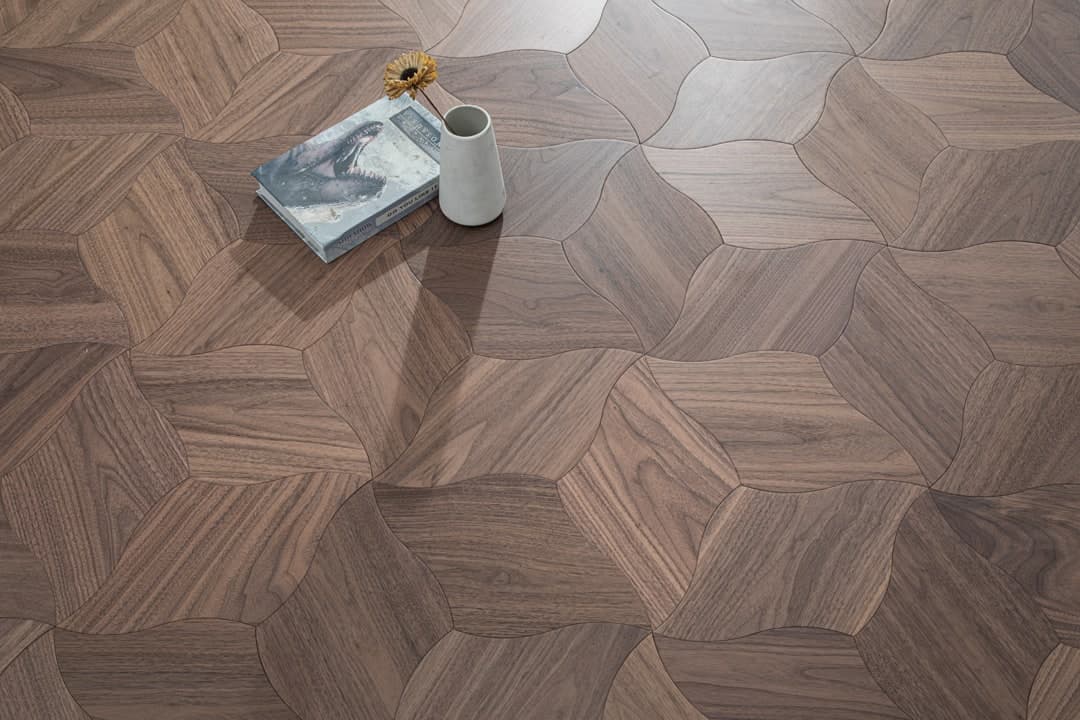
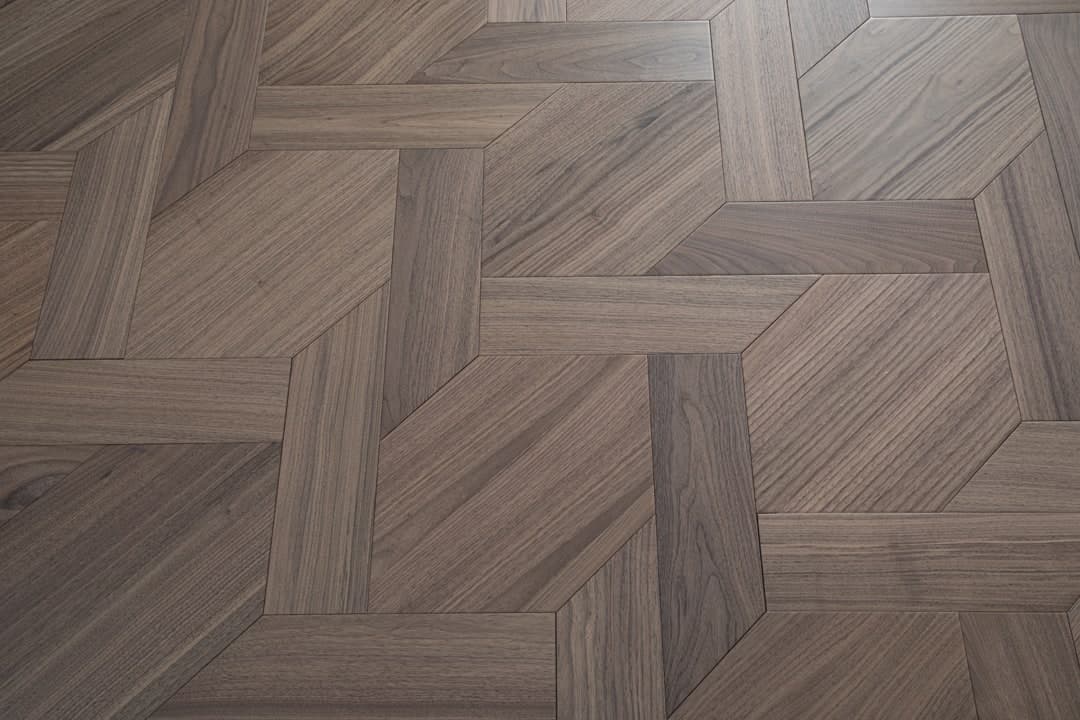
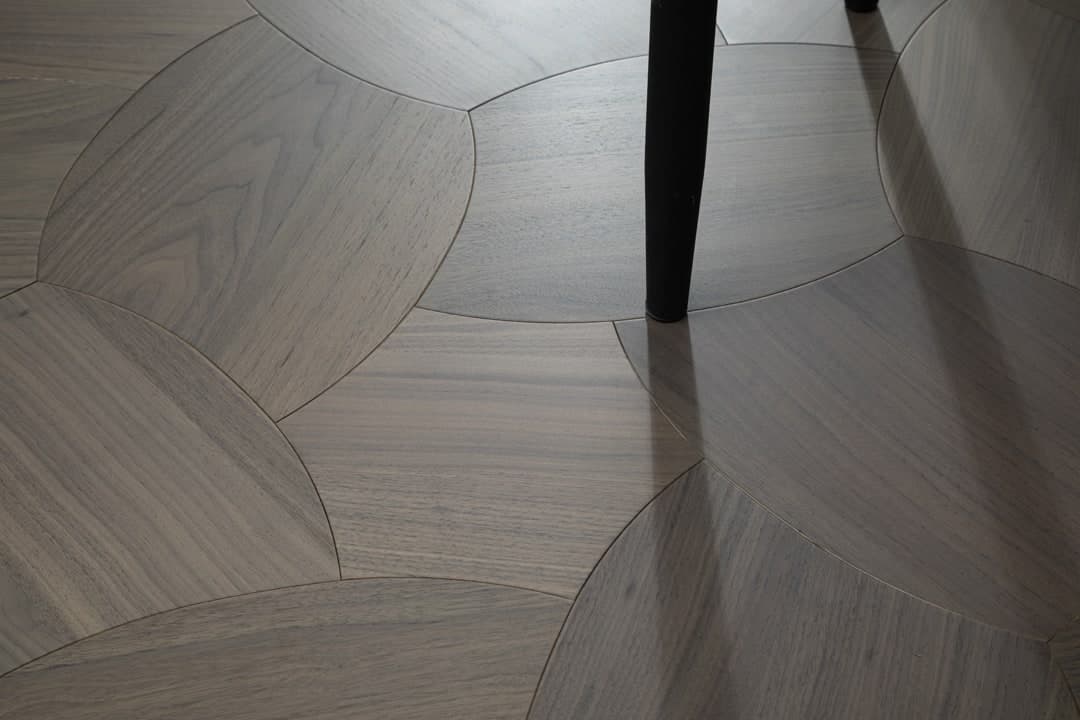
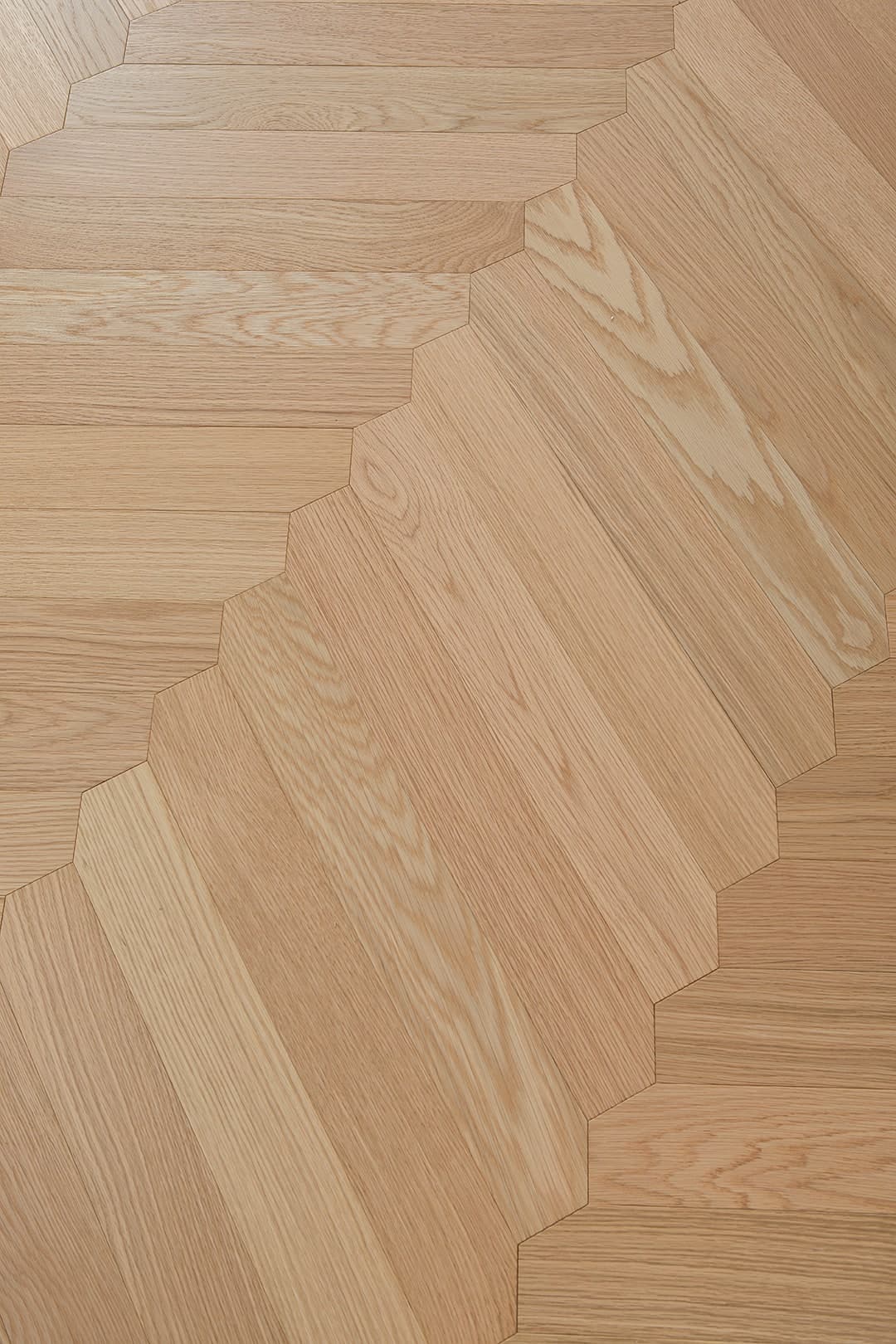
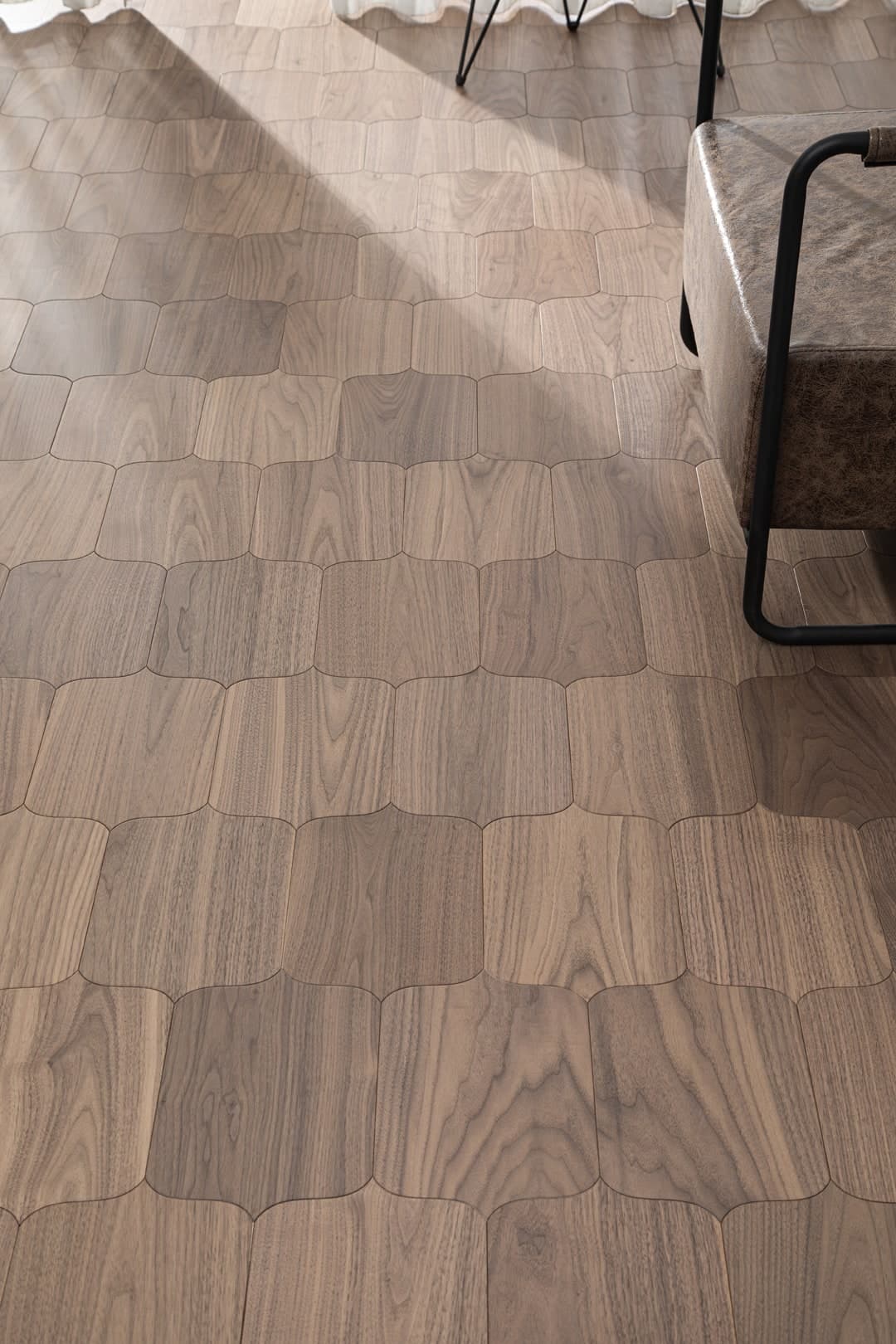
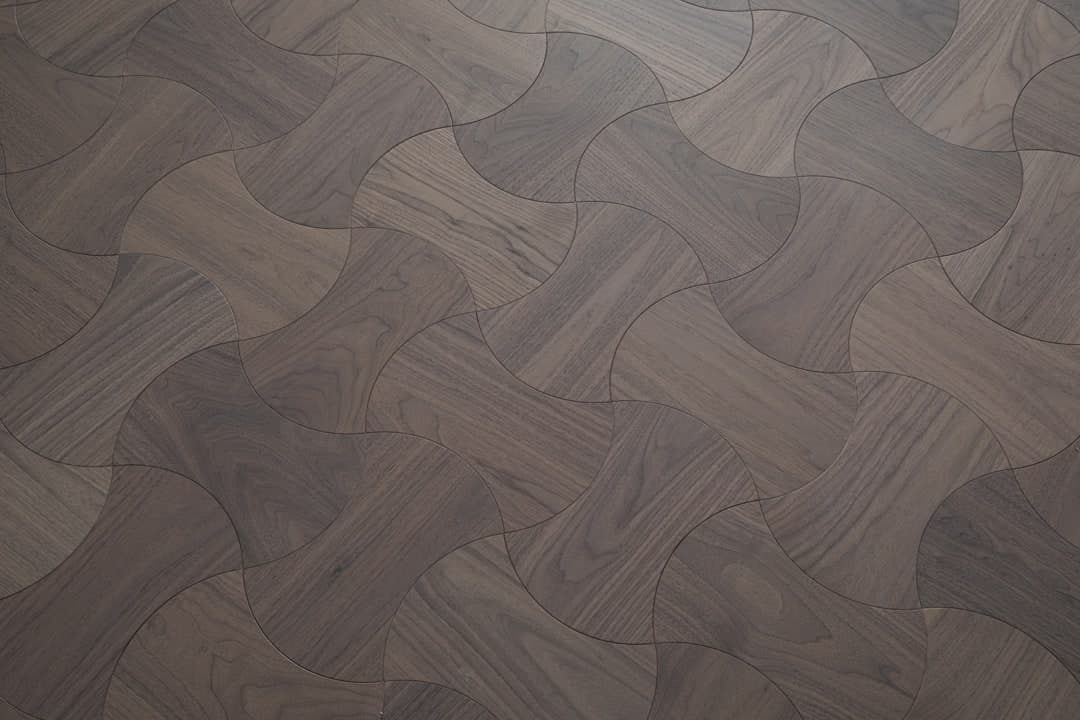
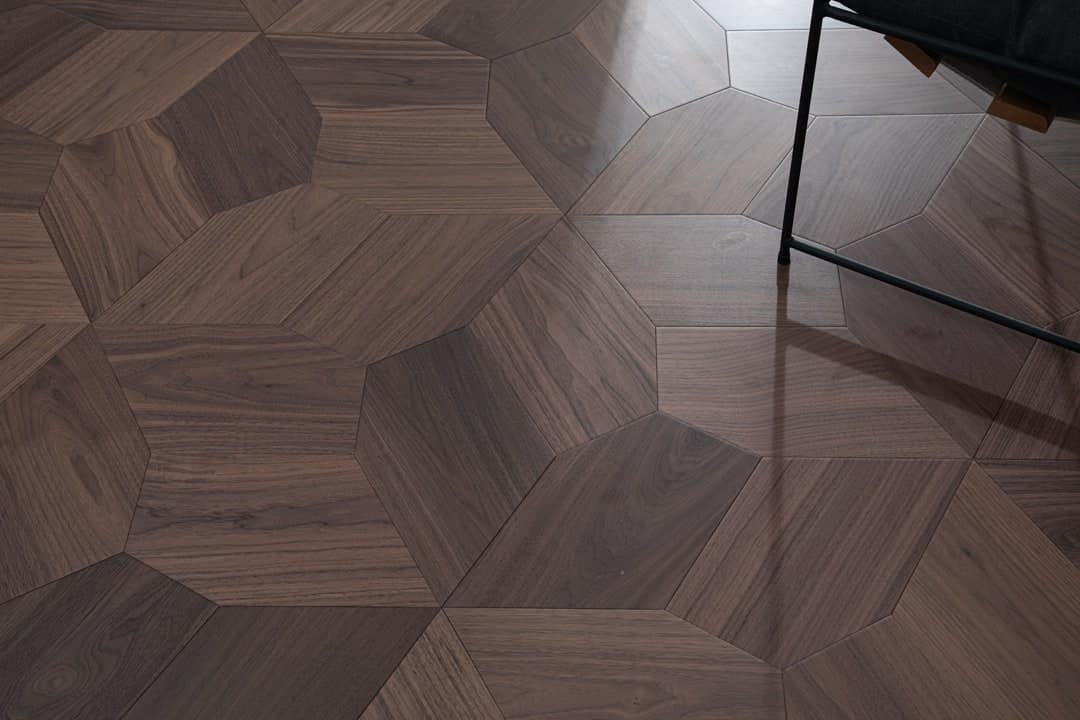
The ten collection patterns from Bergama to Zeugma provide concrete references for line density, panel repeat, wood contrast and surface direction. An existing design can be selected, or the collection language can inform a new project drawing. On most projects the most efficient route is to take a pattern language from the collection and rebuild the dimension, wood distribution and edge solution around the space.

Manufacturing framework

Bespoke work aligns four product decisions

Pattern geometry, panel dimensions, the distribution of oak, walnut, teak or birch, and a brushed, smoked, metallic-effect or smooth treatment meet in one product definition. Until all four are set, a drawing has not become manufacturing information. A medallion at the centre, a border along the walls and a monogram inlay are separate items added to that framework. Every request is evaluated separately before order.

10
reference collection patterns
37
colour treatments
4
wood species
15 mm
verified total thickness

Project brief

What is needed for a manufacturability evaluation?

Define the design objective and product boundary in the first brief to turn a drawing into a measurable request. A message that only says “we want something custom” can be answered only with a list of questions.

  1. 01Project country, space type and approximate net area
  2. 02Plan, dimensioned drawing or pattern reference
  3. 03Target panel dimensions and repeat direction
  4. 04Wood species, distribution and contrast preference
  5. 05Position and approximate size of any medallion, border or monogram
  6. 06Surface direction and boundaries of the product-only scope

Bespoke manufacturing guide

How should a bespoke marquetry parquet project be briefed?

“Custom design” is not a manufacturing instruction by itself. A useful brief separates visual intent into dimensions, material, repeat and surface decisions, making the scope under evaluation explicit. The six headings below are the minimum a drawing needs before it can enter a manufacturability review.

Where is the boundary between collection and bespoke?

The collection is the starting point of verified products and an existing design language. Bespoke work means that dimensions, patterns or wood combinations outside it are evaluated to order. It does not mean that every drawing is automatically accepted or that production is unlimited: each request is examined individually for pattern complexity and wood suitability.

How do medallions, borders and monograms work?

All three are produced for a specific project: a medallion is a circular or oval composition set at the centre of a floor, a border is a band of pattern running along the walls, and a monogram is a letter or logo inlaid in wood. None is stocked as a collection item; size and design are settled during quotation. Marking the position on the plan and giving an approximate diameter or band width speeds up the evaluation.

What should the drawing communicate?

A plan or pattern drawing should show principal dimensions, repeat direction and, where possible, panel divisions. An inspiration image may communicate visual direction but does not define a manufacturable product. Pair it with a dimensioned plan and approximate net area; doorways, niches and level changes also affect how the pattern lands.

How is panel scale matched to the space?

The geometry of one panel and its repetition across a floor are different decisions. Main viewing axes, visible floor area and furniture placement affect how often a pattern repeats. Evaluate panel dimensions on the project plan, not only through a catalogue image. Where a medallion is used, centring the field around it has to be planned from the dimension onwards.

When are wood and surface defined?

The distribution of oak, walnut, teak and birch creates contrast; colour treatment and surface effect change how that contrast reads. Treat wood, colour and surface as parts of the same product brief rather than as unrelated final selections. The same drawing yields two different floors when led by dark walnut or by pale birch.

What is not automatically included in bespoke manufacturing?

Installation, subfloor preparation, adhesives, skirting, transport, technical performance, lead time and site services are not assumed product-manufacturing scope; they are discussed separately. Specific formats with no counterpart in the collection, such as Versailles panels, are likewise not assumed to be ready products. Each request requires its own drawing and evaluation.

Evaluate your drawing against the manufacturing scope

Share the plan, area, pattern direction, wood and surface preference. If a medallion, border or monogram is under consideration, marking its position on the plan is enough to start.

Request a bespoke quotation