
Akarsu Parquetry

10 patterns · 37 colour treatments

Marquetry parquet patterns and designs

The Akarsu collection presents ten marquetry parquet patterns named after ancient Anatolian cities in a comparable product system for architects, distributors and project buyers. Each pattern’s dimension, variants and wood direction can be reviewed individually.

Which marquetry parquet patterns are in the Akarsu collection?

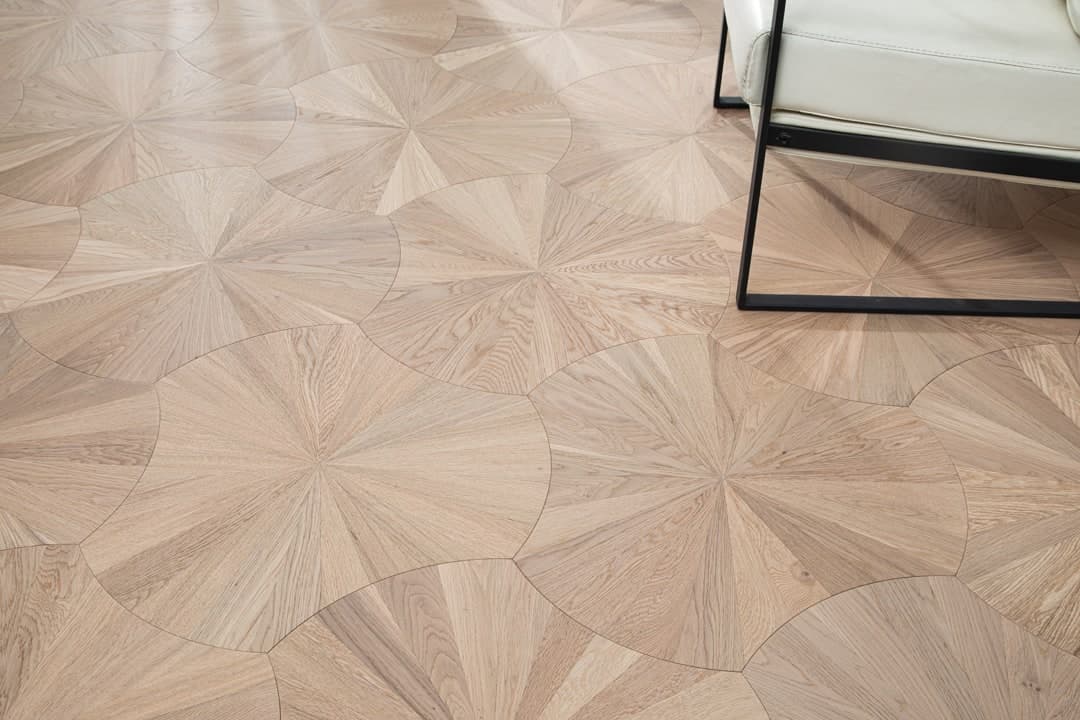
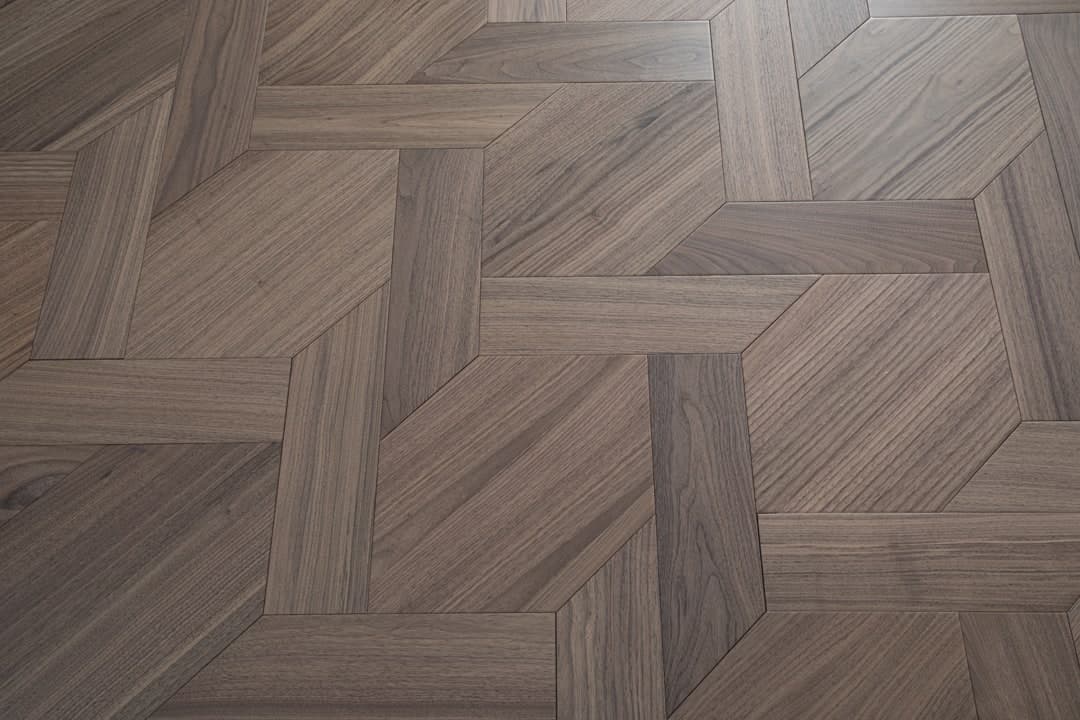
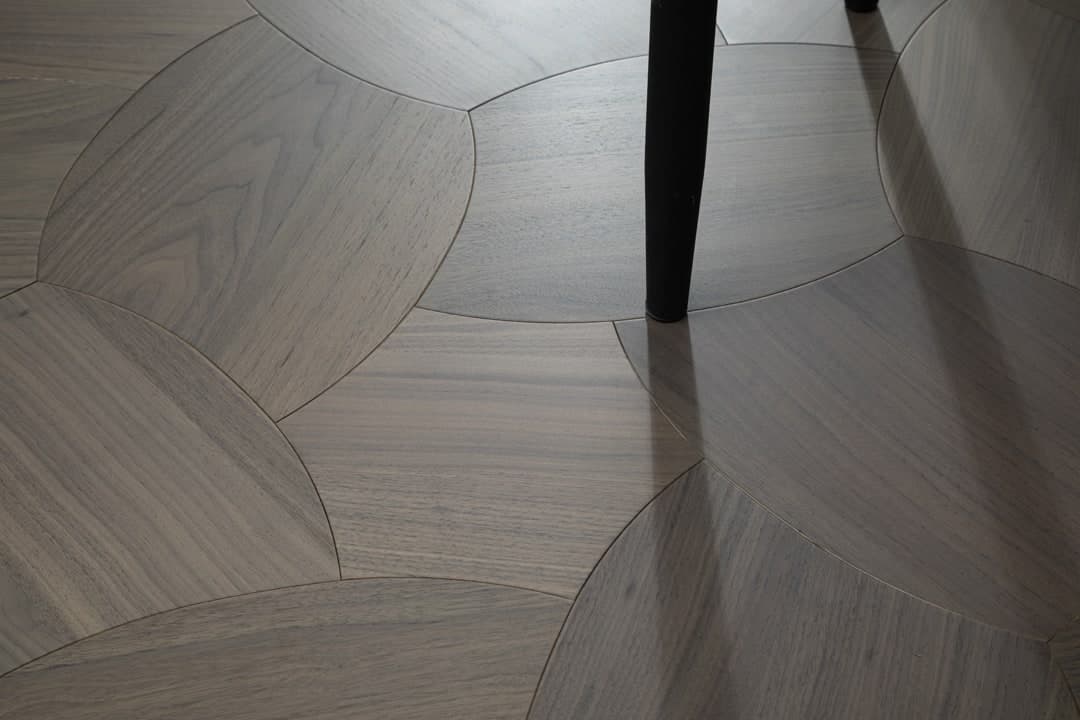
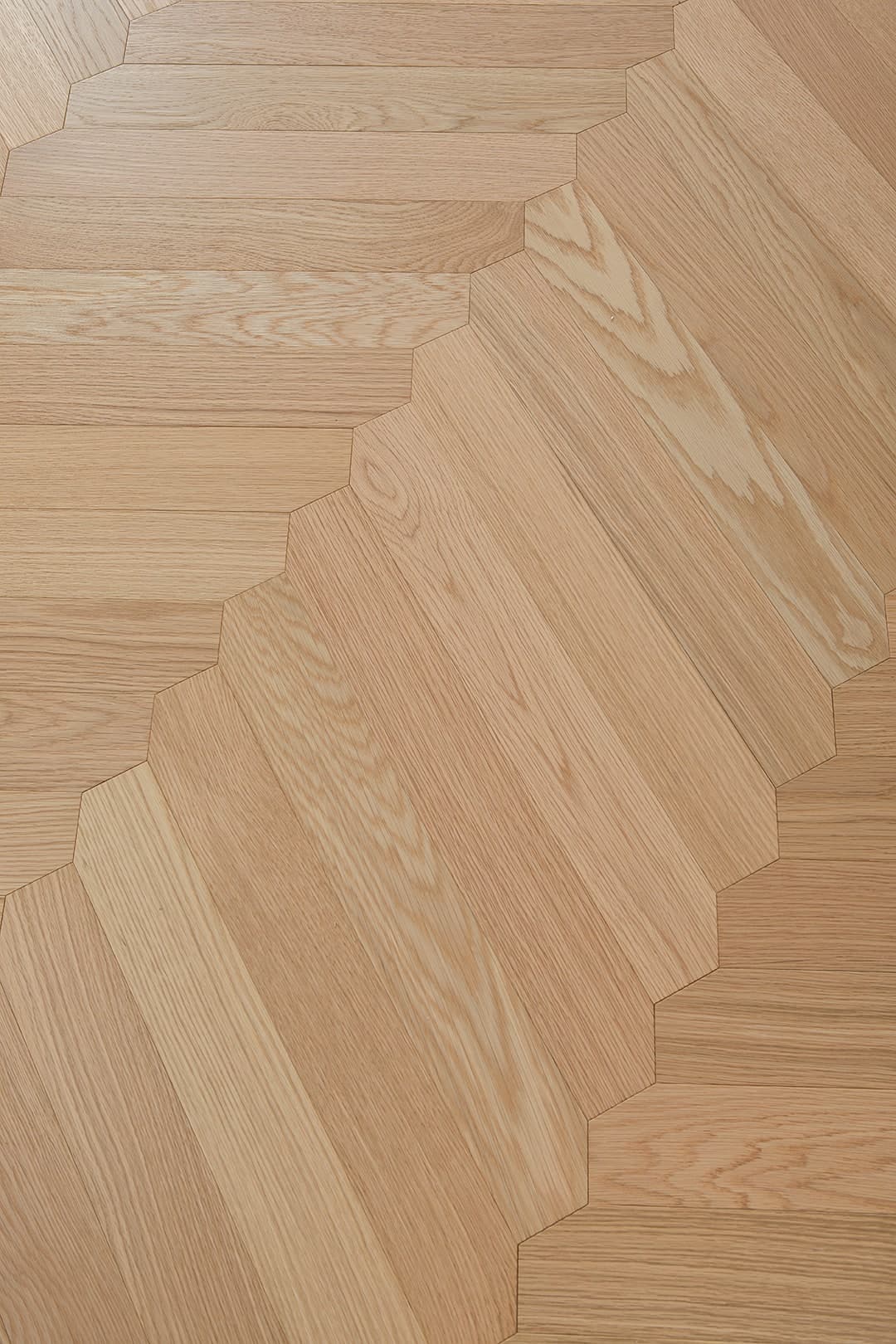
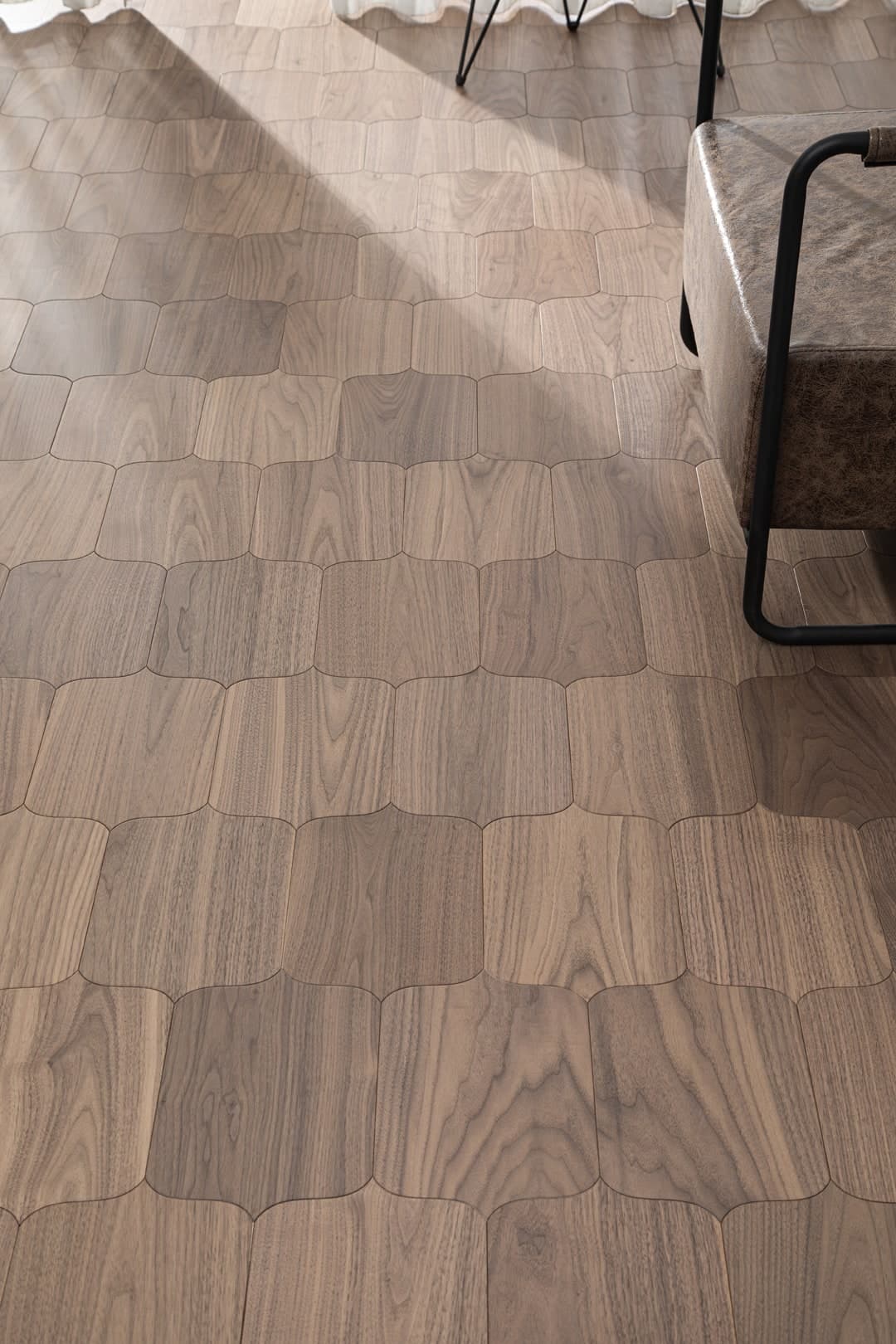
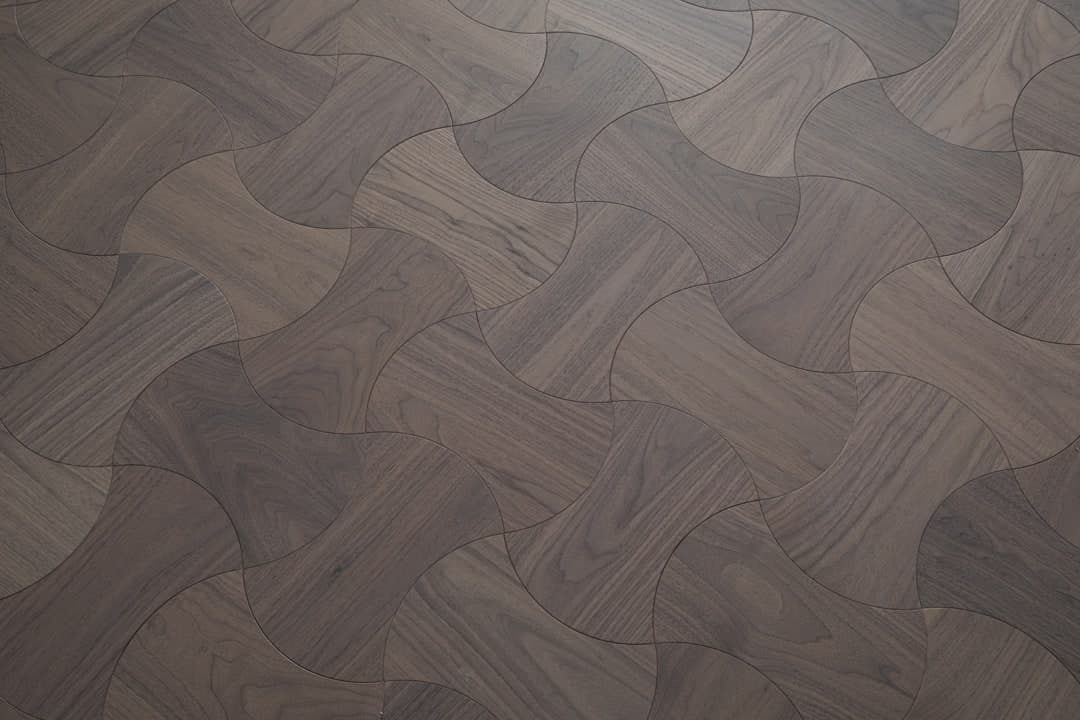
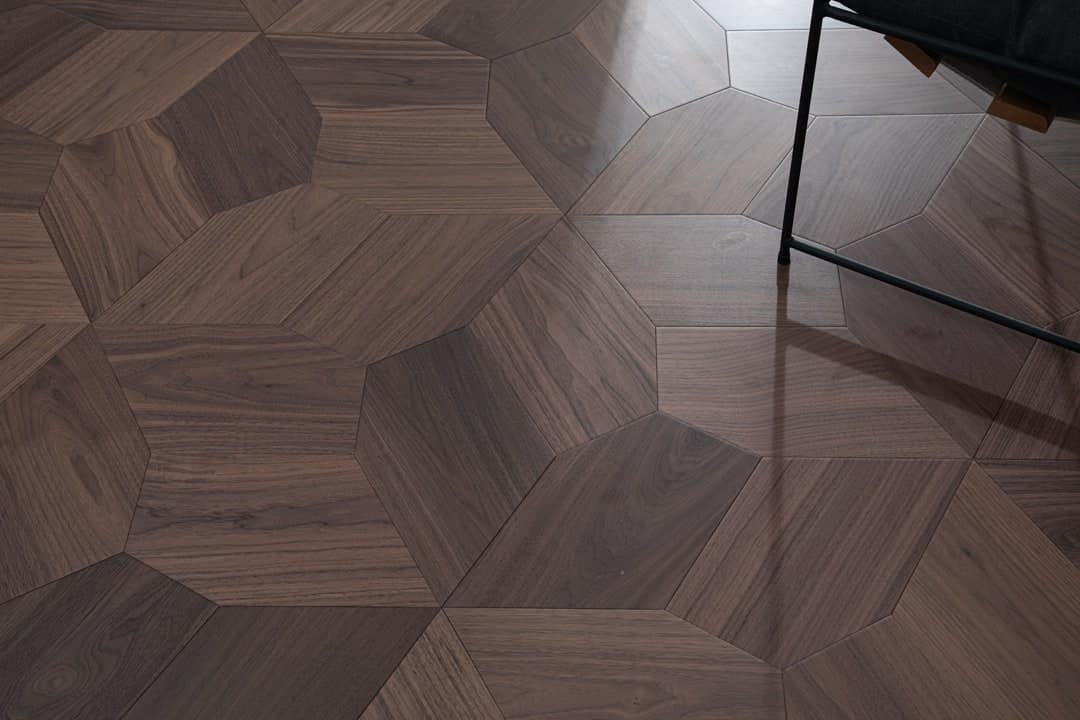
The collection holds 10 patterns: Bergama long-leaf mosaic, Efes lotus leaf, İznik small leaf, Kapadokya large water-lily leaf, Milet knot motif, Pamukkale lily flower, Perge angled herringbone, Side heart motif, Truva hourglass and Zeugma pentagonal geometric mosaic. Together they are offered in 37 colour treatments using oak, walnut, teak and birch. Panel dimensions differ per pattern — Perge is 600×92 mm, Efes 600×600 mm — and each is published as verified data on its product page. Total thickness is 15 mm.

Pattern collection

Compare geometric rhythm through real products

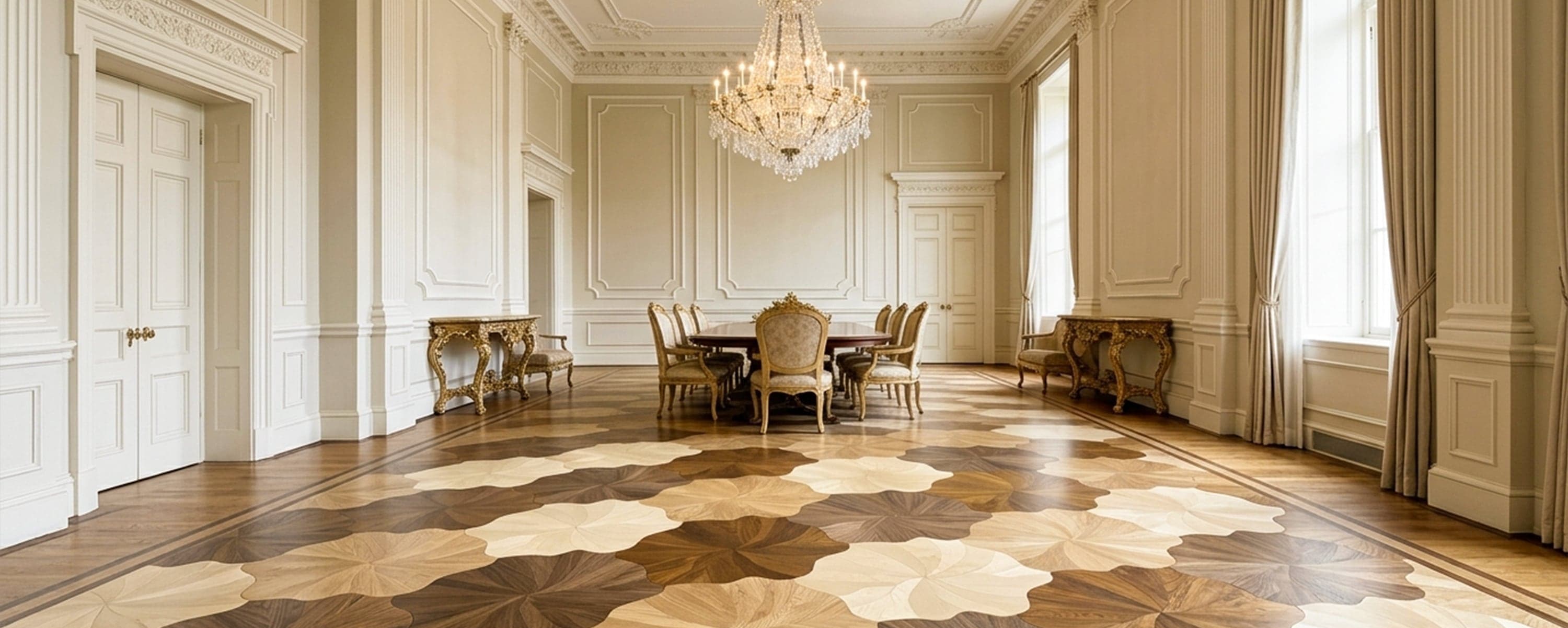
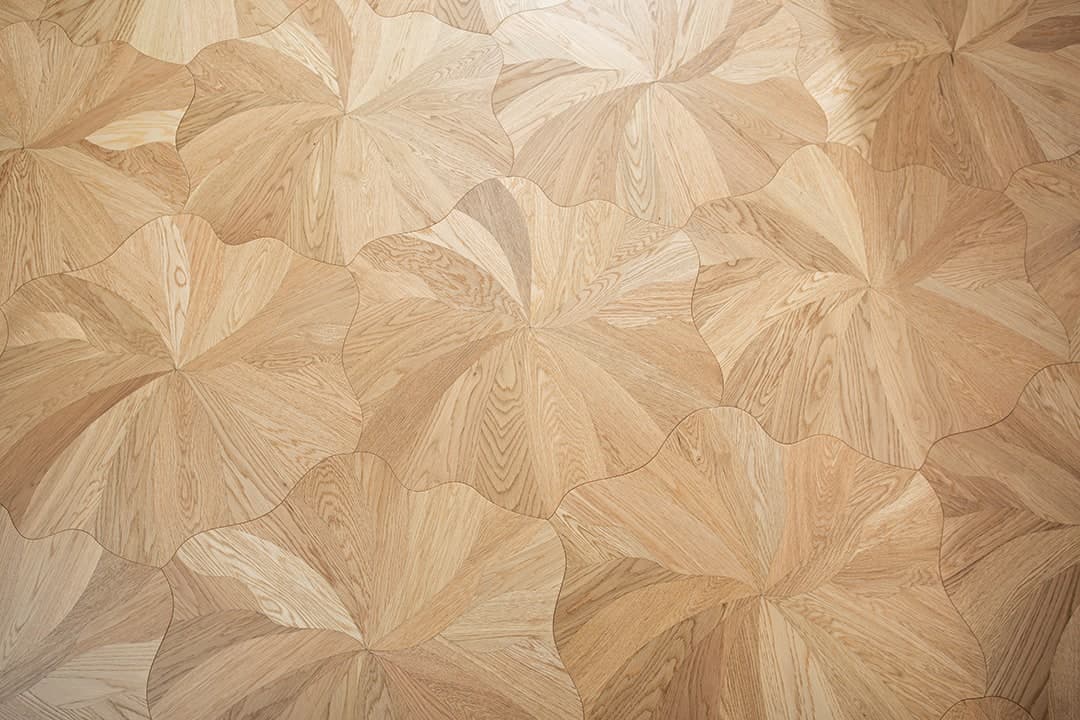
Bergama, Efes, İznik, Kapadokya, Milet, Pamukkale, Perge, Side, Truva and Zeugma each establish a different line, repeat and wood distribution: some build a dense small-piece mosaic, others leave broader, calmer fields. Product pages show available imagery, variants and verified panel dimensions for every design. Published dimensions are bounding measurements between the two widest points; every panel is patterned rather than a plain tile.

Selection scope

A pattern name alone is not a project decision

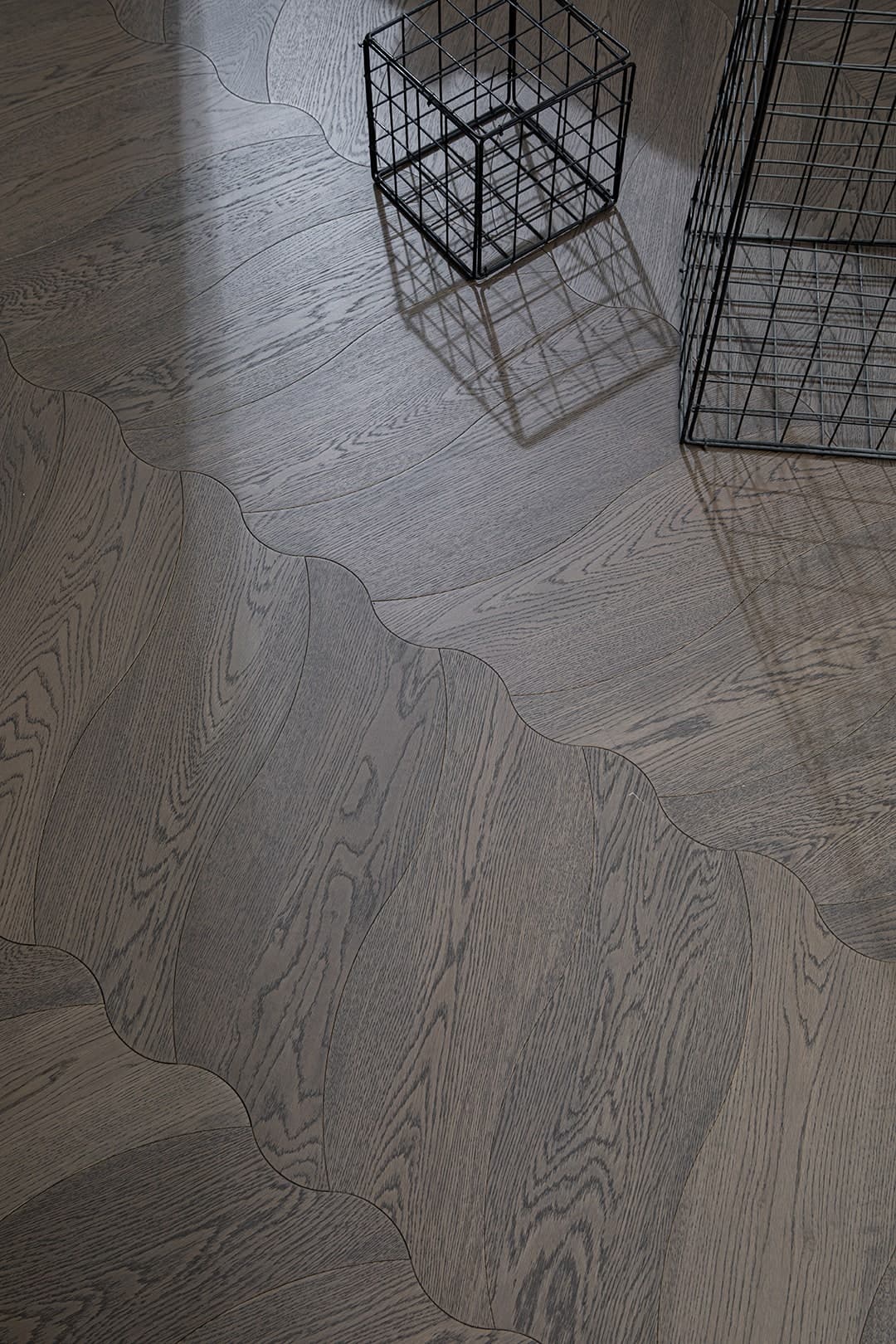
The same geometry can gain a different contrast through oak, walnut, teak or birch and through brushed, smoked, metallic-effect or smooth treatments. A pale wood softens the line of the geometry while a dark one sharpens exactly the same line, which is why the pattern name does not complete the choice. Define pattern, panel scale, wood distribution and surface direction together for a quotation.

10
actual collection patterns
37
colour treatments
4
wood species
15 mm
total thickness

Pattern brief

What should you share to select the right pattern?

Turn visual preference into a manufacturable product decision by placing these inputs in the same brief. A pattern name on its own is not enough: the same geometry produces a very different floor in another wood and surface.

  1. 01Two or three preferred Akarsu patterns
  2. 02Plan, approximate net area and main viewing direction
  3. 03Preference for a quieter or more pronounced geometric rhythm
  4. 04Oak, walnut, teak or birch direction
  5. 05Light-dark contrast and surface-treatment direction
  6. 06Position of a medallion at the centre or a border along the walls, if either is considered

Pattern selection guide

How should a marquetry parquet pattern be selected at project scale?

When marquetry parquet designs are compared only as catalogue images, the repeat created by the panel across a room can be missed. A dense mosaic that looks refined on one panel can read as far busier across a large hall. Read geometry, panel scale, wood contrast and surface as one decision.

What does the rhythm of a geometric pattern change?

Closely spaced lines and small components create more visual movement, while broader geometric fields can read more quietly. The small-piece İznik and the broad-field Kapadokya give the same room a completely different density. Neither is inherently better. The choice should be tested against furniture placement, visible floor area and the principal viewing axis: an open floor shows the pattern in full, while a heavily furnished room reveals it mainly along the edges.

Why do panel dimensions matter as much as the image?

A single panel image explains the construction of a design; its repeat on the plan determines the rhythm of the complete floor. Use the verified dimensions on each product page rather than assuming that all Akarsu patterns share one format. Perge at 600×92 mm sets a narrow, elongated rhythm, whereas Efes at 600×600 mm establishes a far wider repeat — for the same room the two also differ in panel count and cutting plan.

How does wood species affect pattern definition?

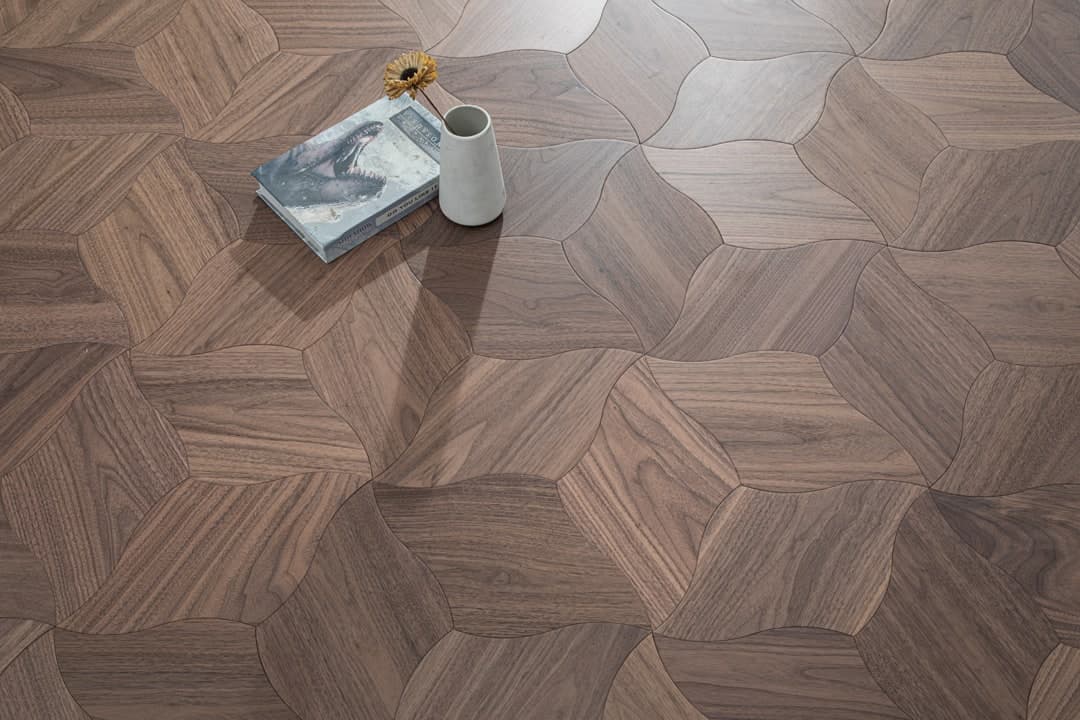
Oak, walnut, teak and birch do not carry the same colour or grain character. Their distribution changes which lines of the geometry come forward: the dark tone of walnut works almost like an outline, while the pale surface of birch can push the same line back. Treat the wood name as part of the pattern composition, not merely as a colour label.

How should colour and surface be compared?

The 37 colour treatments are not interchangeable with brushed, smoked, metallic-effect and smooth surface choices. Colour decides which tone appears; surface decides how light returns from that tone — a brushed finish makes the grain tangible, a smooth one renders the pattern more graphic. State colour direction and surface effect as separate headings so that different quotations describe the same intended product.

Can a design outside the collection be requested?

Dimensions, patterns and wood combinations outside the collection are evaluated to order. A medallion at the centre of a floor, a border running along the walls and a monogram inlay can be produced for a project; none exists as a ready collection item, and its size and design are settled during quotation. This is not automatic acceptance or unlimited motif production, and it does not cover formats with no counterpart in the collection, such as Versailles panels. Share the drawing and product boundary before quotation.

Build a pattern shortlist for your project

Share preferred designs, approximate area, project country and wood or surface direction. Working from two or three patterns makes it easier to weigh the shortlist against panel dimensions and wood contrast.

Request a pattern quotation